FELT
A character brand studio, launched live at feltcharacters.com with licensing, commissions, and monthly content plans. A 20-character library, each one a complete licensable brand system. Art direction at production scale, with AI as the production floor and a human eye holding every frame on model.
FELT is a character brand studio I founded and art-directed: a library of twenty original characters, each designed for a specific industry and sold as a complete, licensable brand system. One character, four locked angles, ten expressions, ten poses, a written rulebook, and finished content, exclusive to one business per city. The studio is live at feltcharacters.com, selling licensing, commissions, and monthly content plans.
It is the clearest picture of how I direct at production scale. One person set the bar, wrote every brief, and held twenty characters across six visual styles on model through hundreds of assets, using an AI production floor where nothing ships until I call it on model.
Art direction, end to end
One art director, twenty characters, one bar
FELT sells character brand systems to local businesses: one character, locked design rules, every file, finished content. The product only works if every asset of every character stays on model. That consistency is the art direction.
The venture
A face a business can own
FELT is a character brand studio: original mascot characters licensed as complete systems, one business per industry per city. The pitch is simple and the bar is high. A character is not a logo with eyes; it is a design system with a personality. I set the studio's visual language, the character quality bar, and the rules every asset has to obey.
The library
Twenty characters, twenty industries
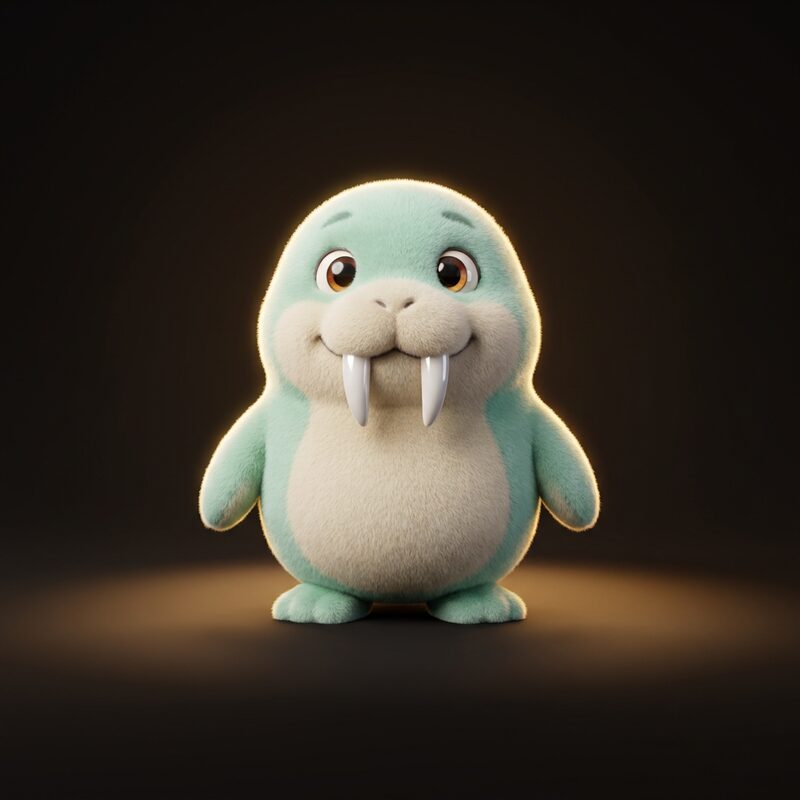
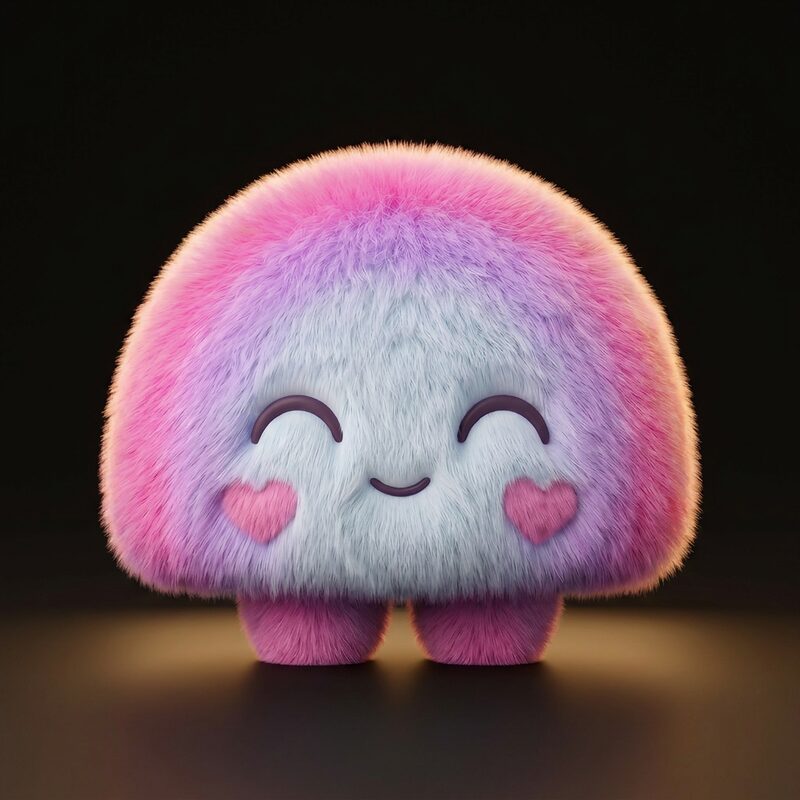
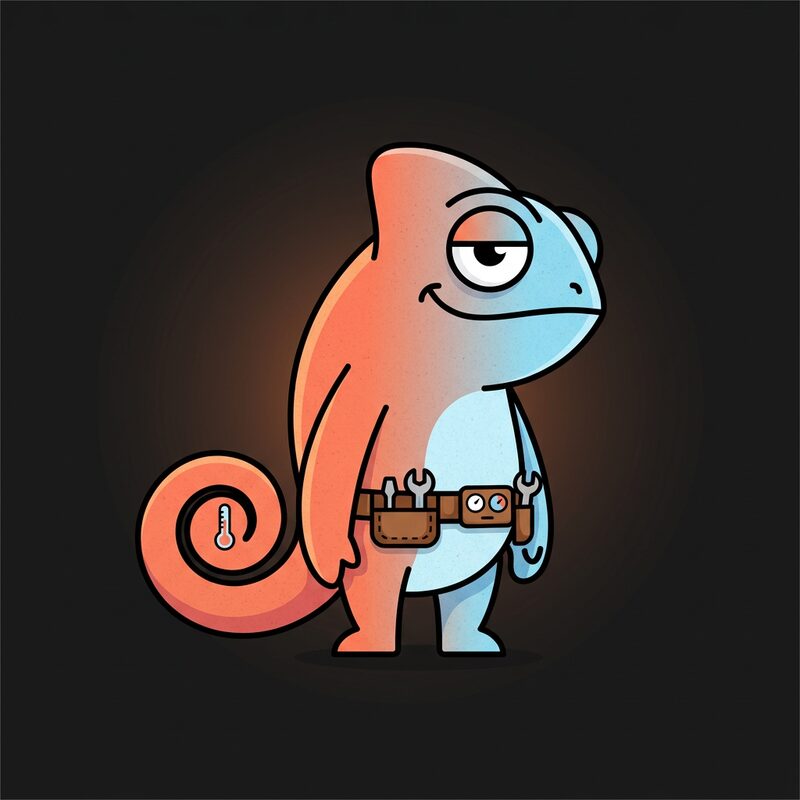
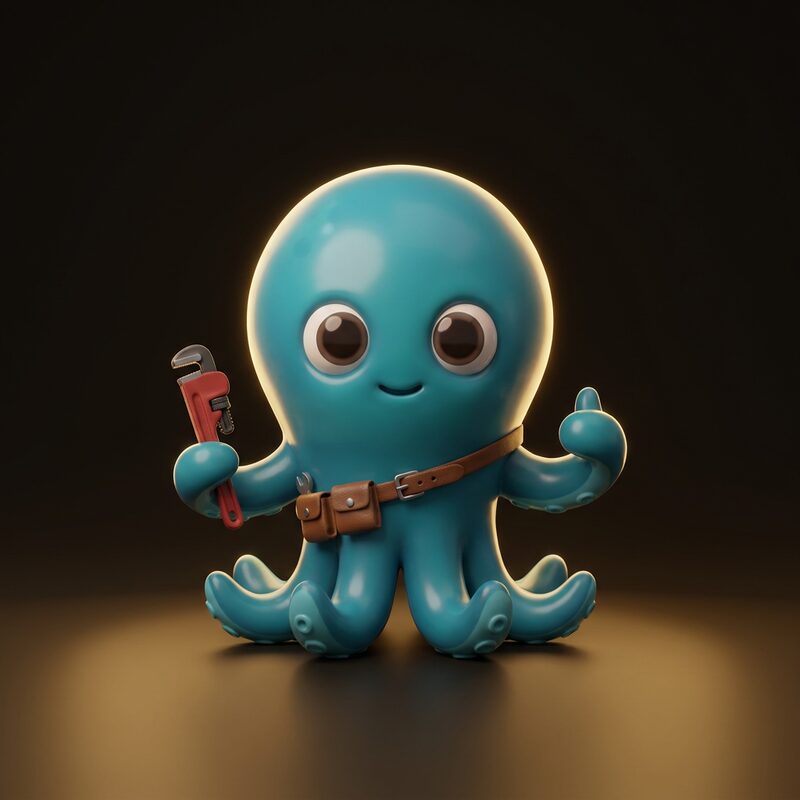
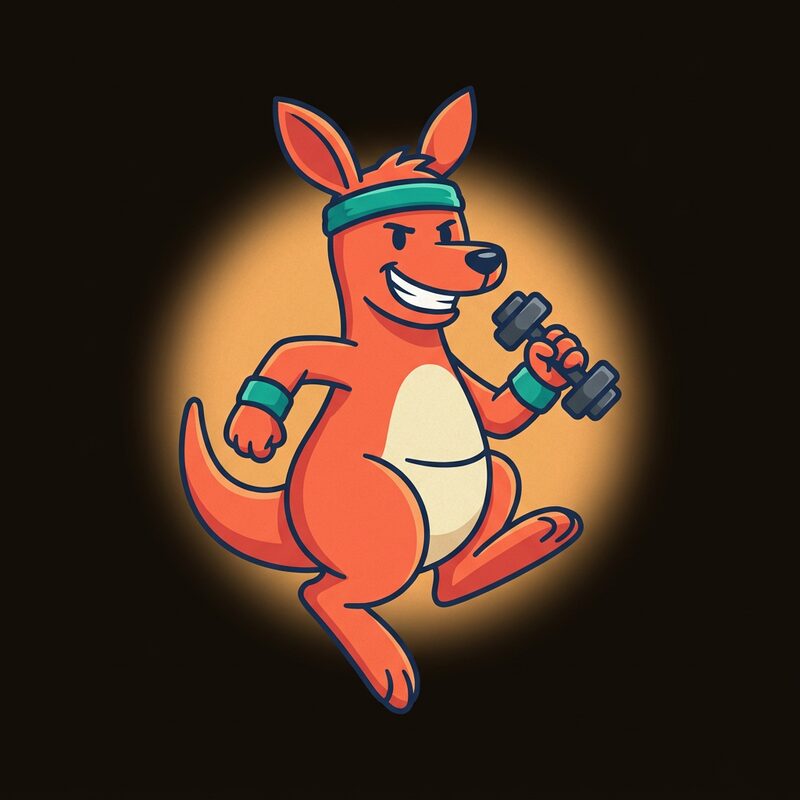
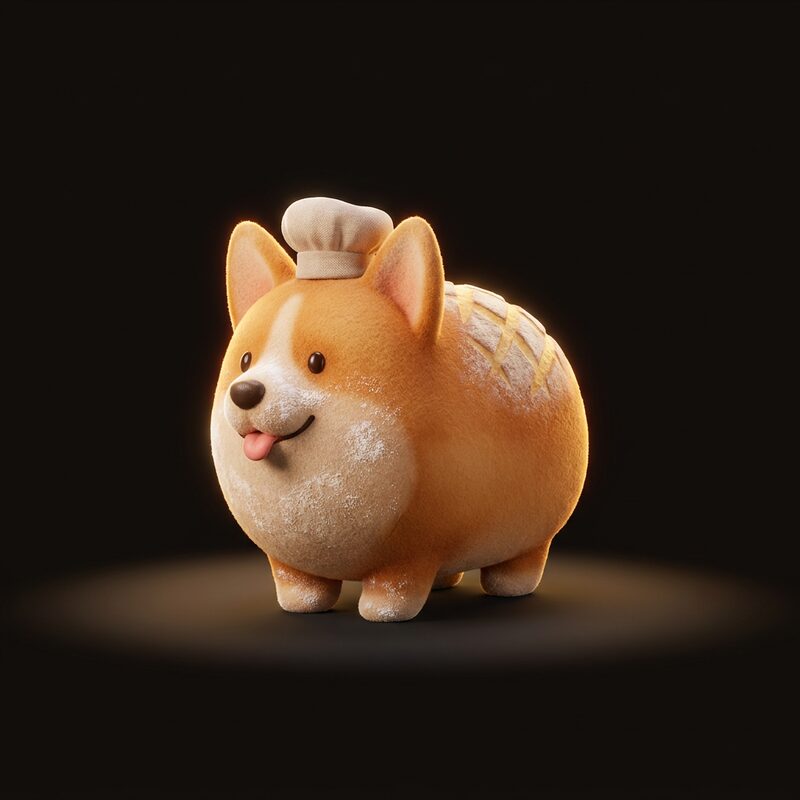
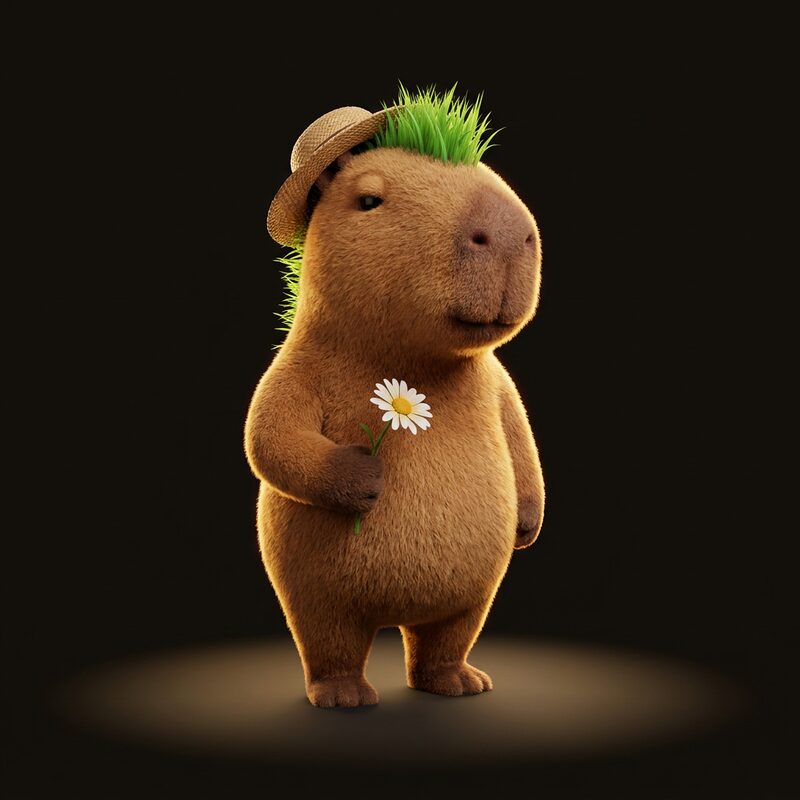
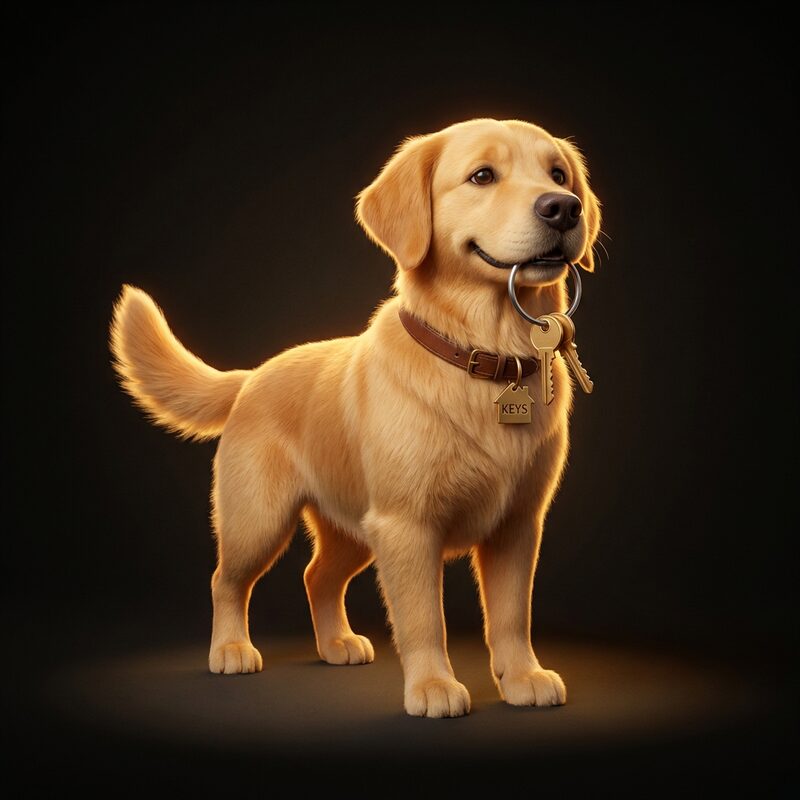
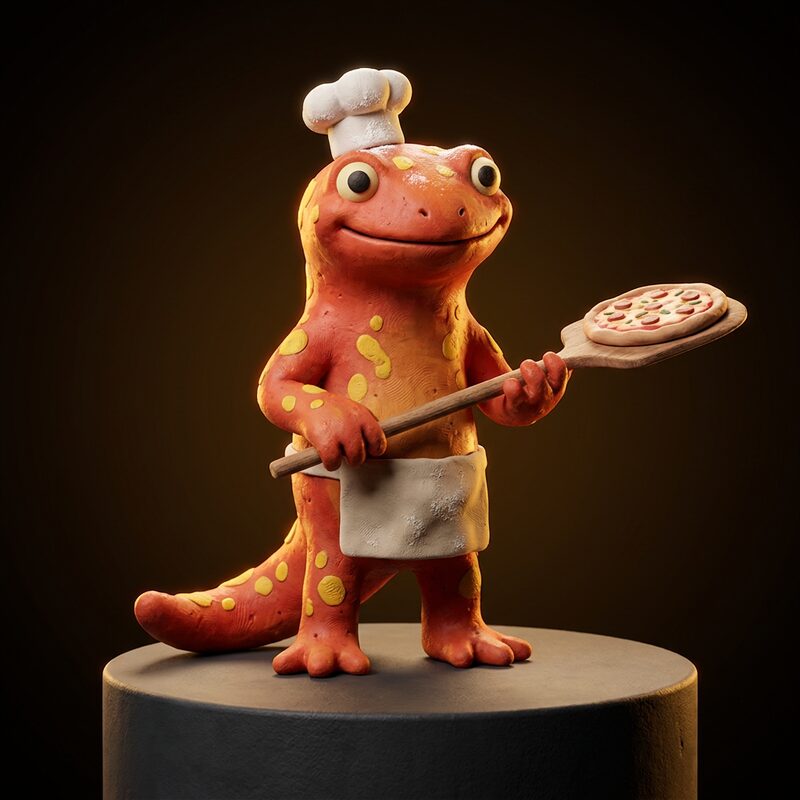
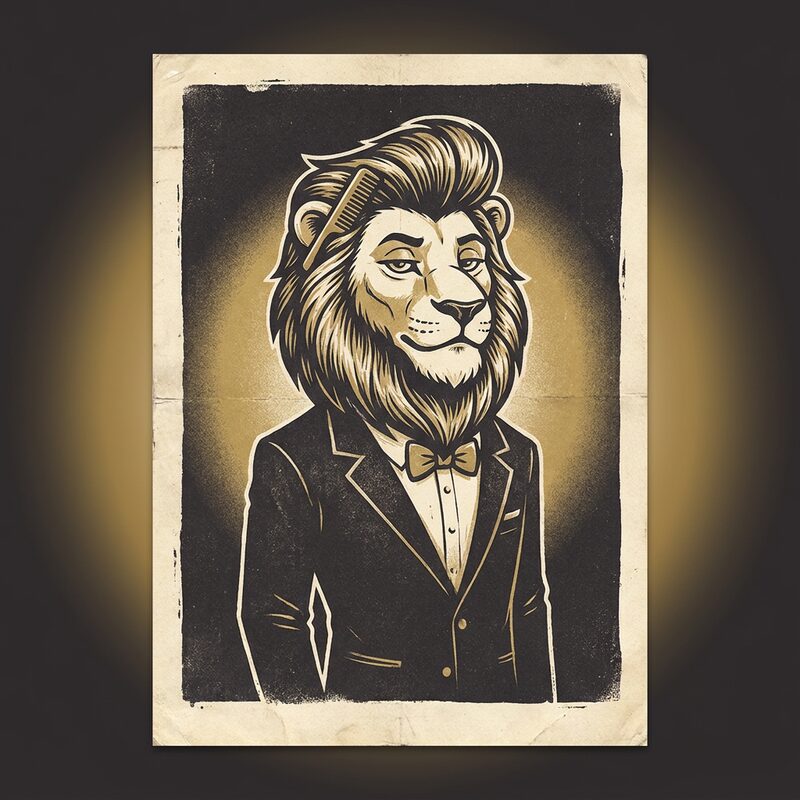
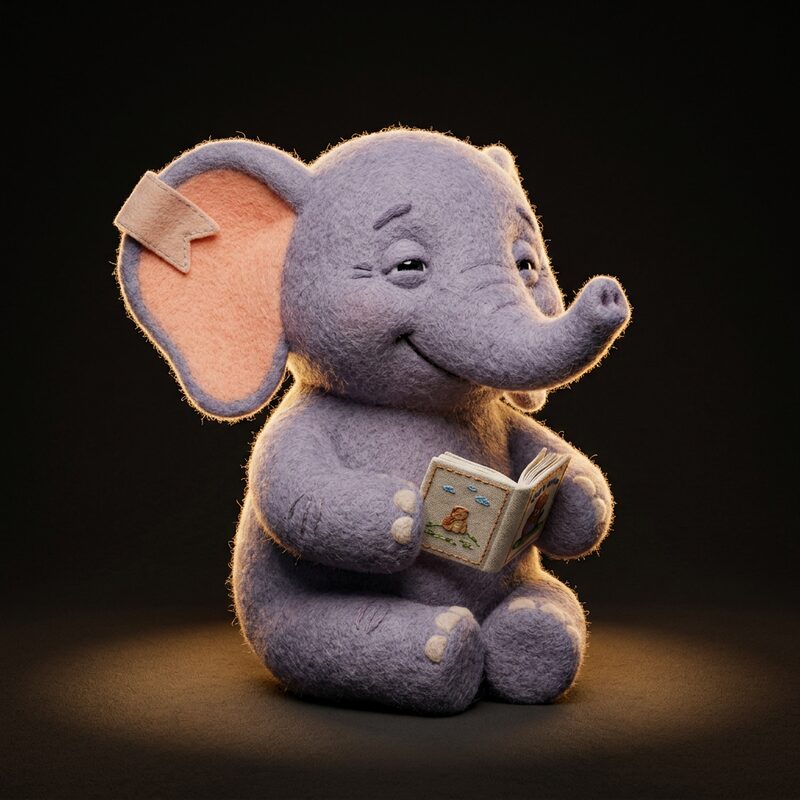
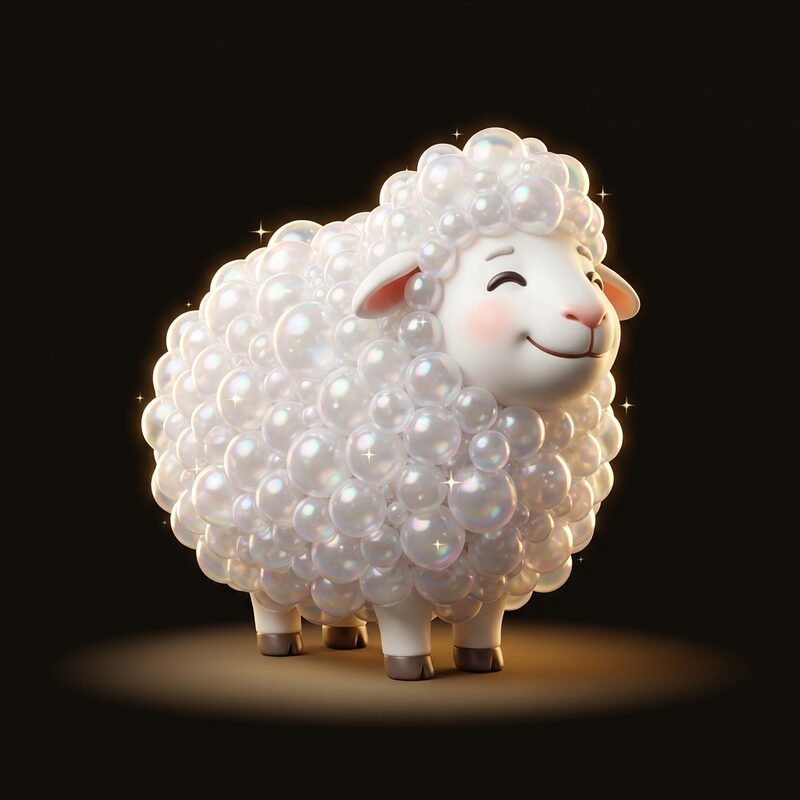
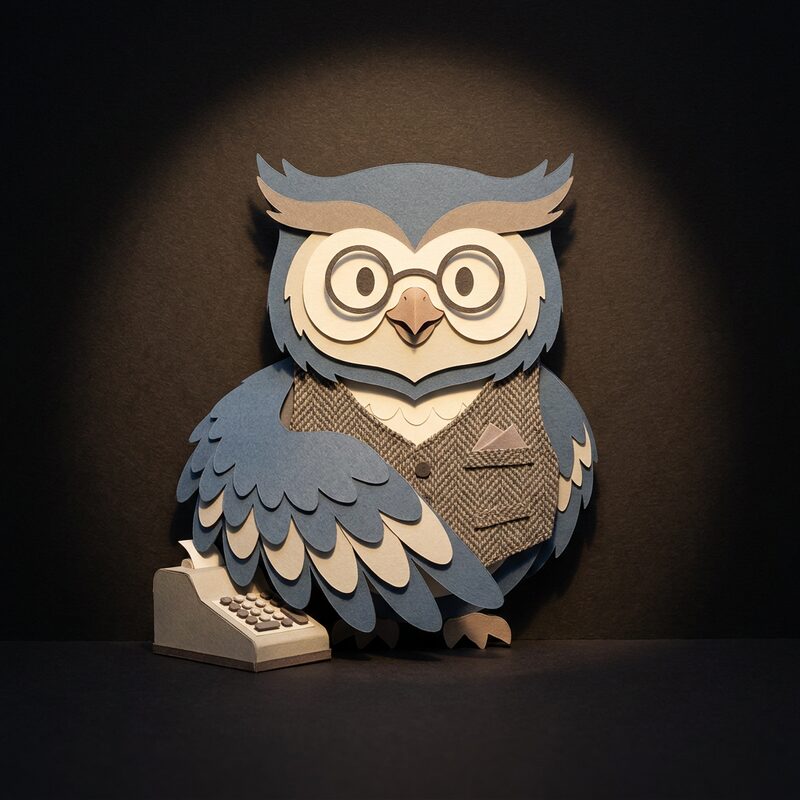
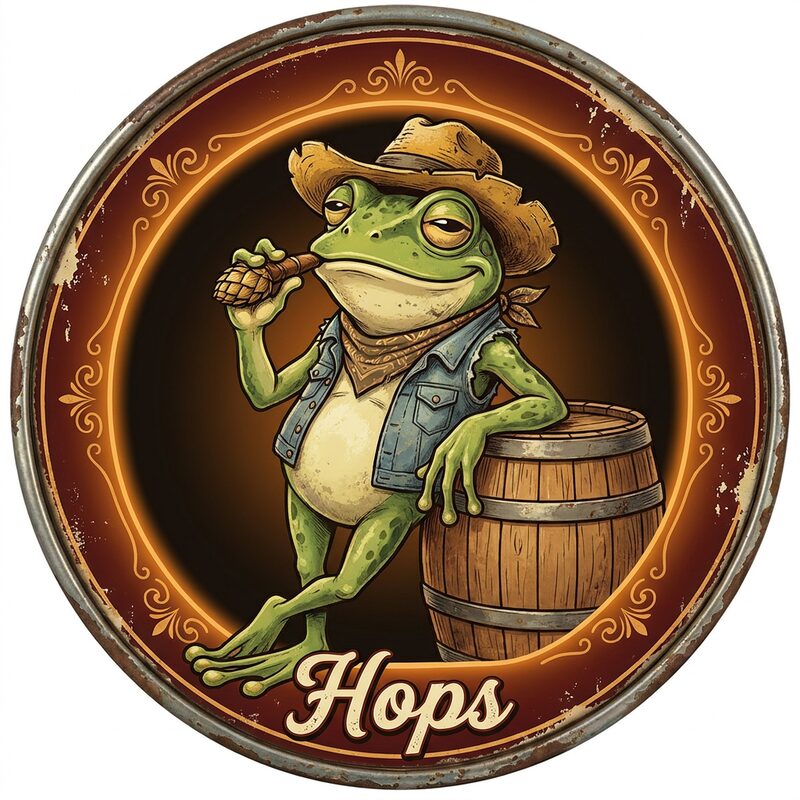
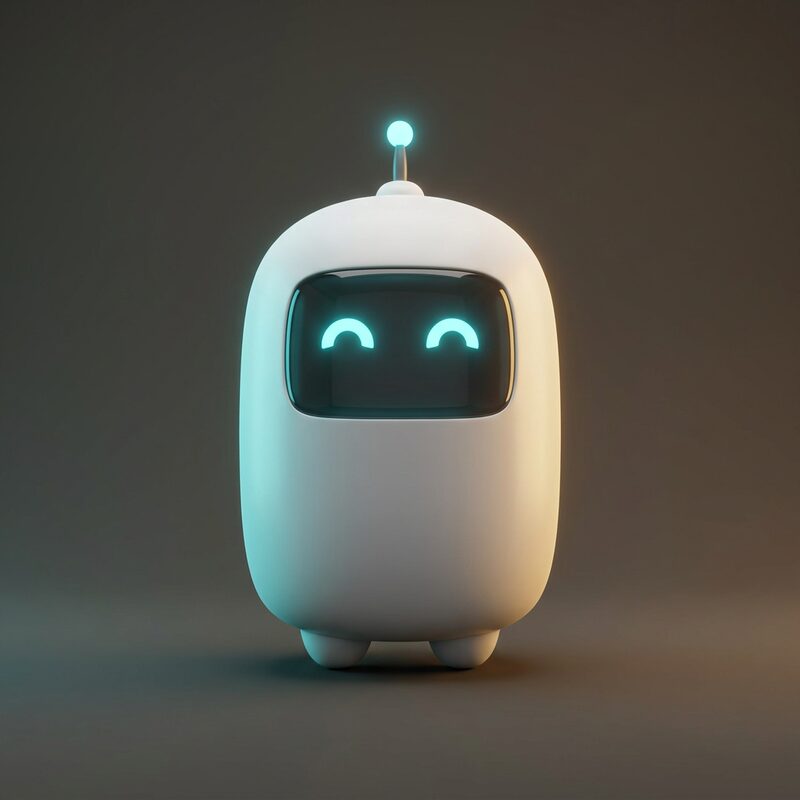
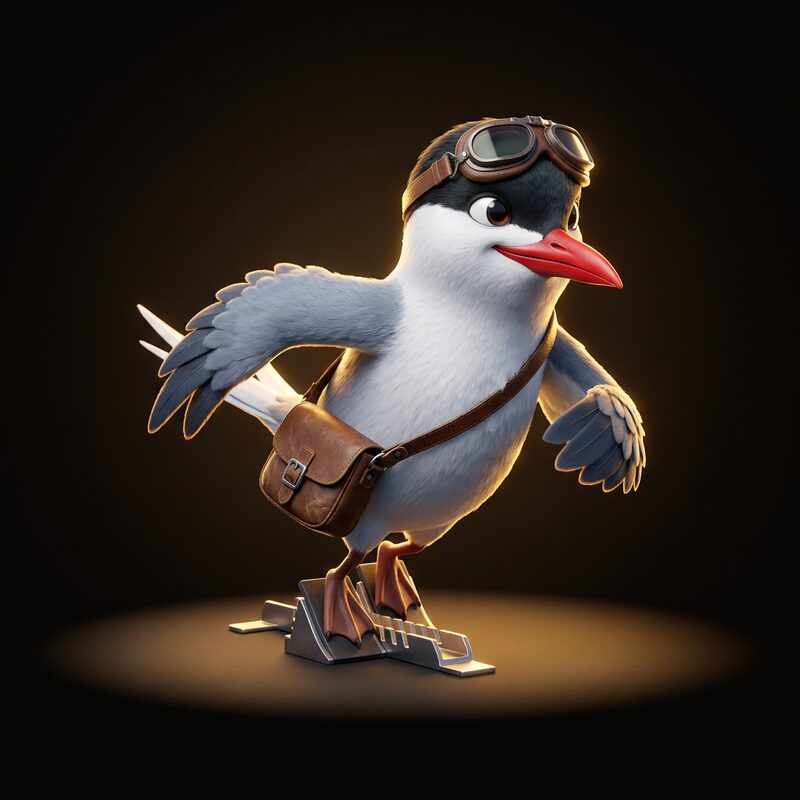
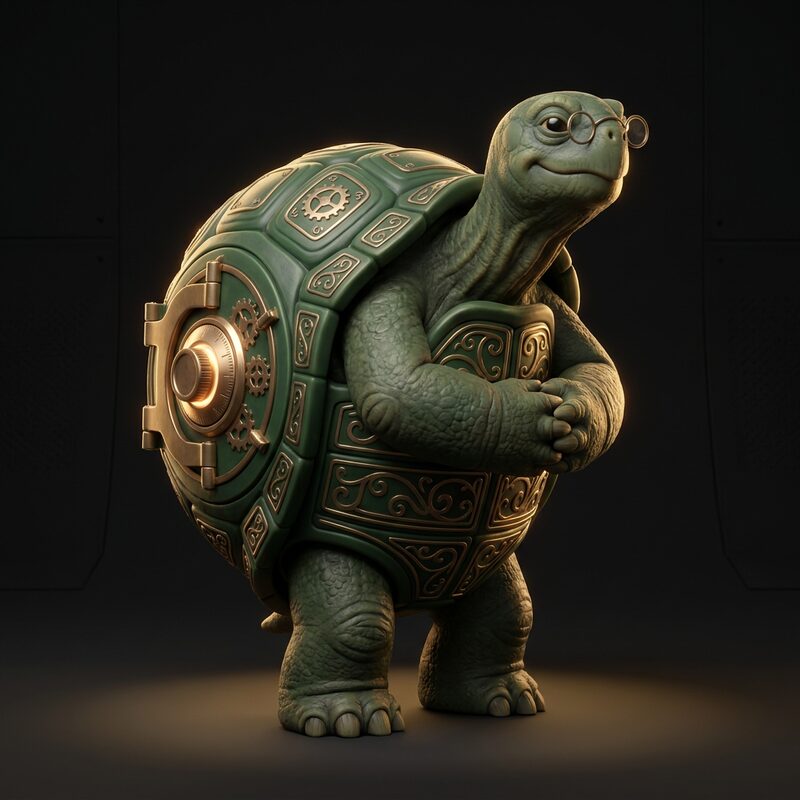
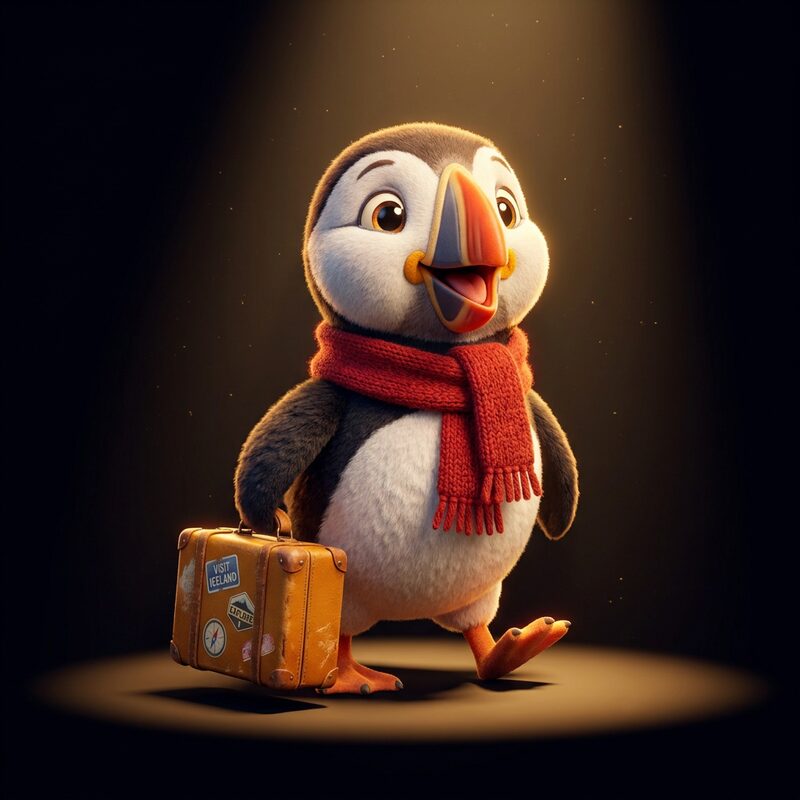
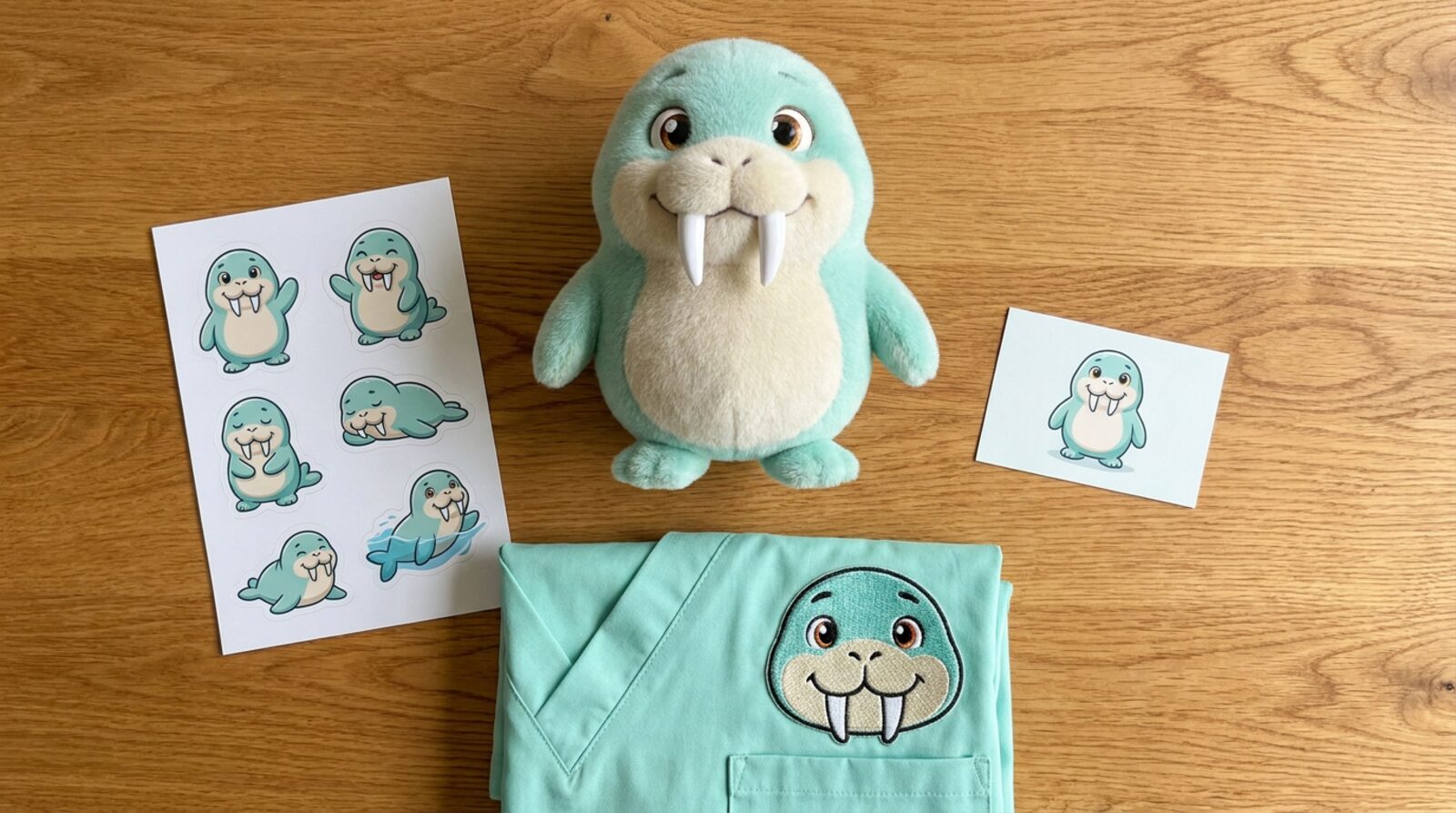
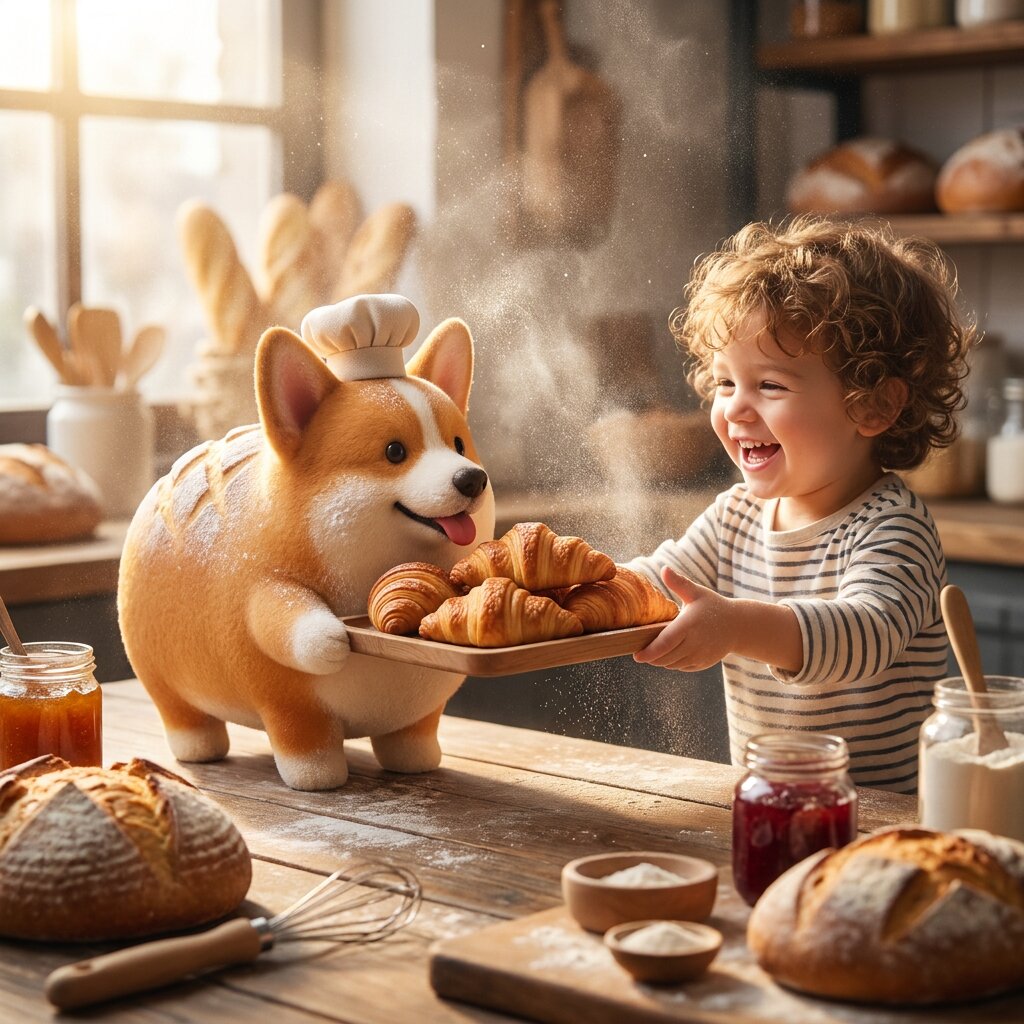
Each character is designed for a specific vertical: Pearl for dentists, Wrench for plumbers, Crumb for bakeries, Vault for banks. I wrote the design brief for every character, set species, silhouette, material, and palette, then directed each one through generation, selection, and refinement until it held the bar.

Range on purpose
Not one style. The right style.
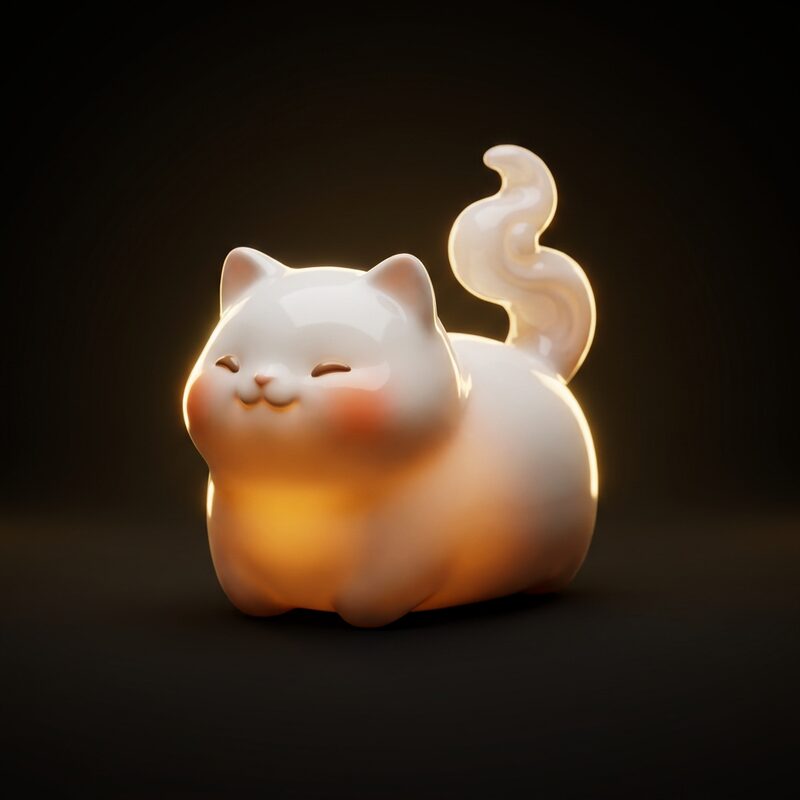
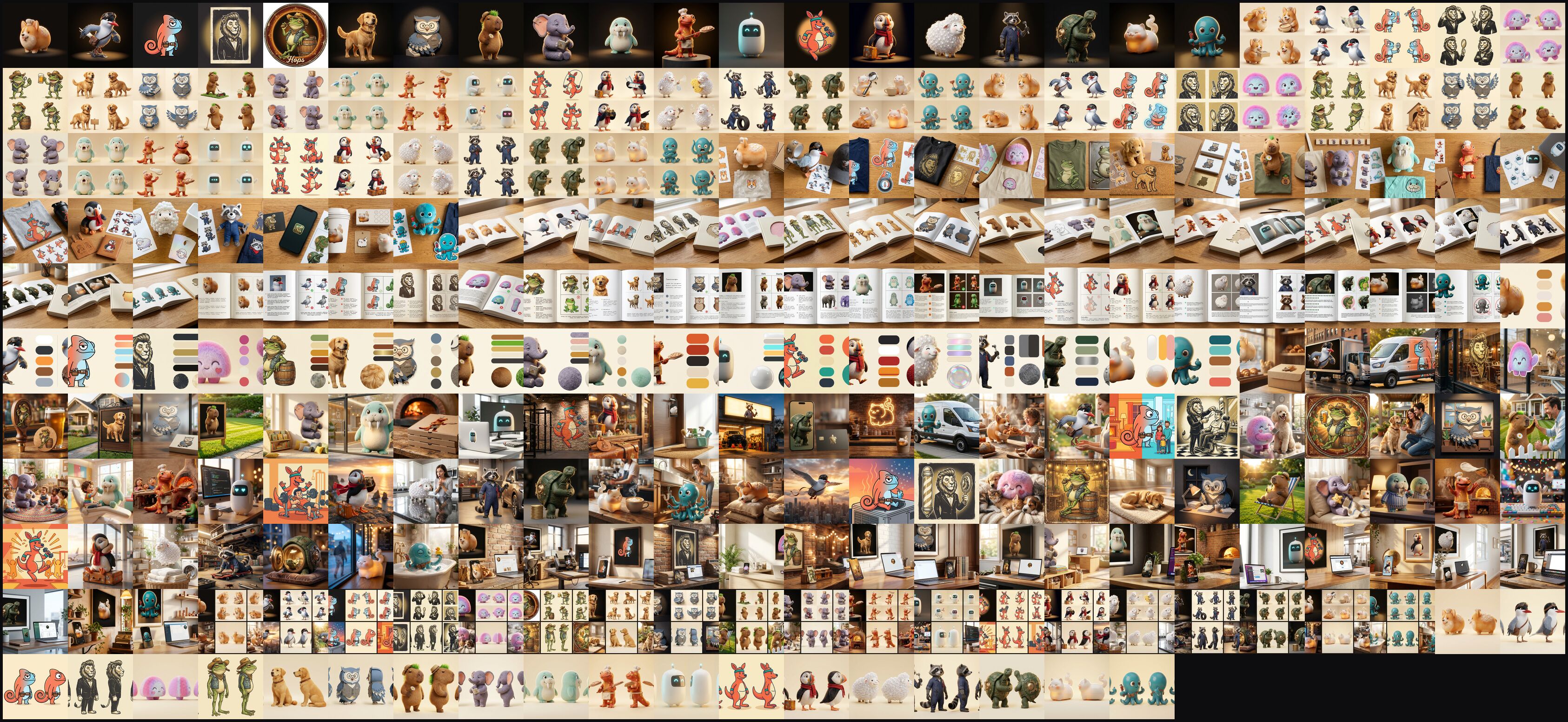
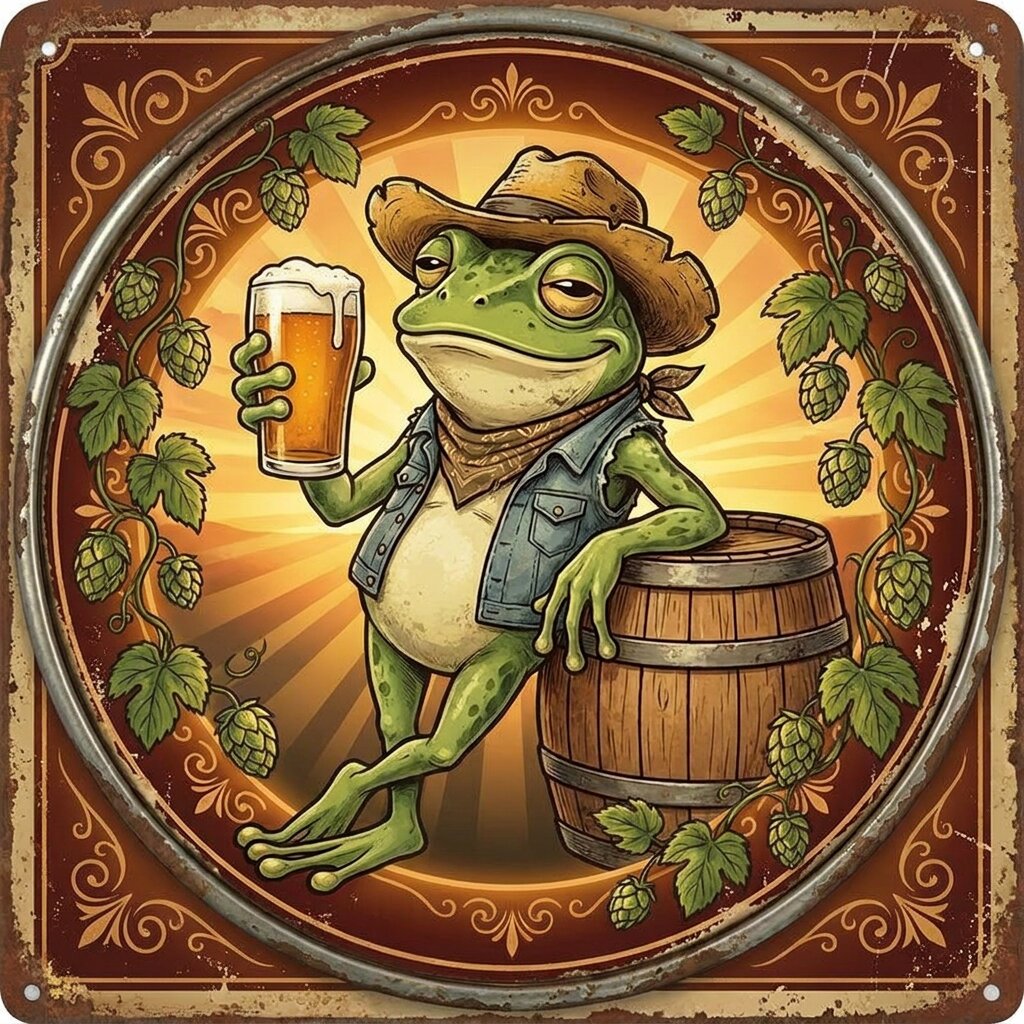
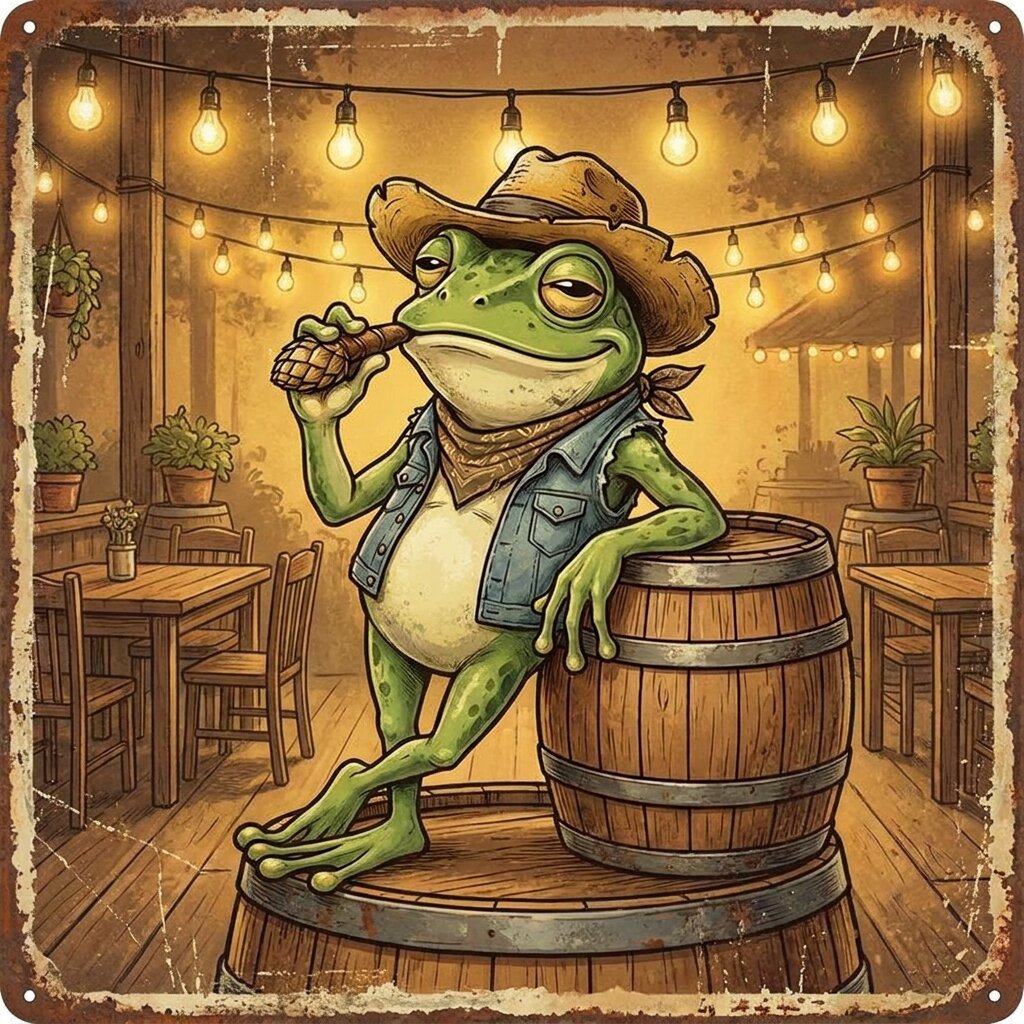
The library is deliberately not one look. Photoreal plush for warmth, flat 2D for service brands that live on trucks and invoices, linocut for a barbershop, tin-sign vintage for a brewery, papercraft for an accountant, clay for a pizza shop. Choosing the style that fits the business is the art direction; executing all of them at the same bar is the range.
The system
Locked angles, written rules
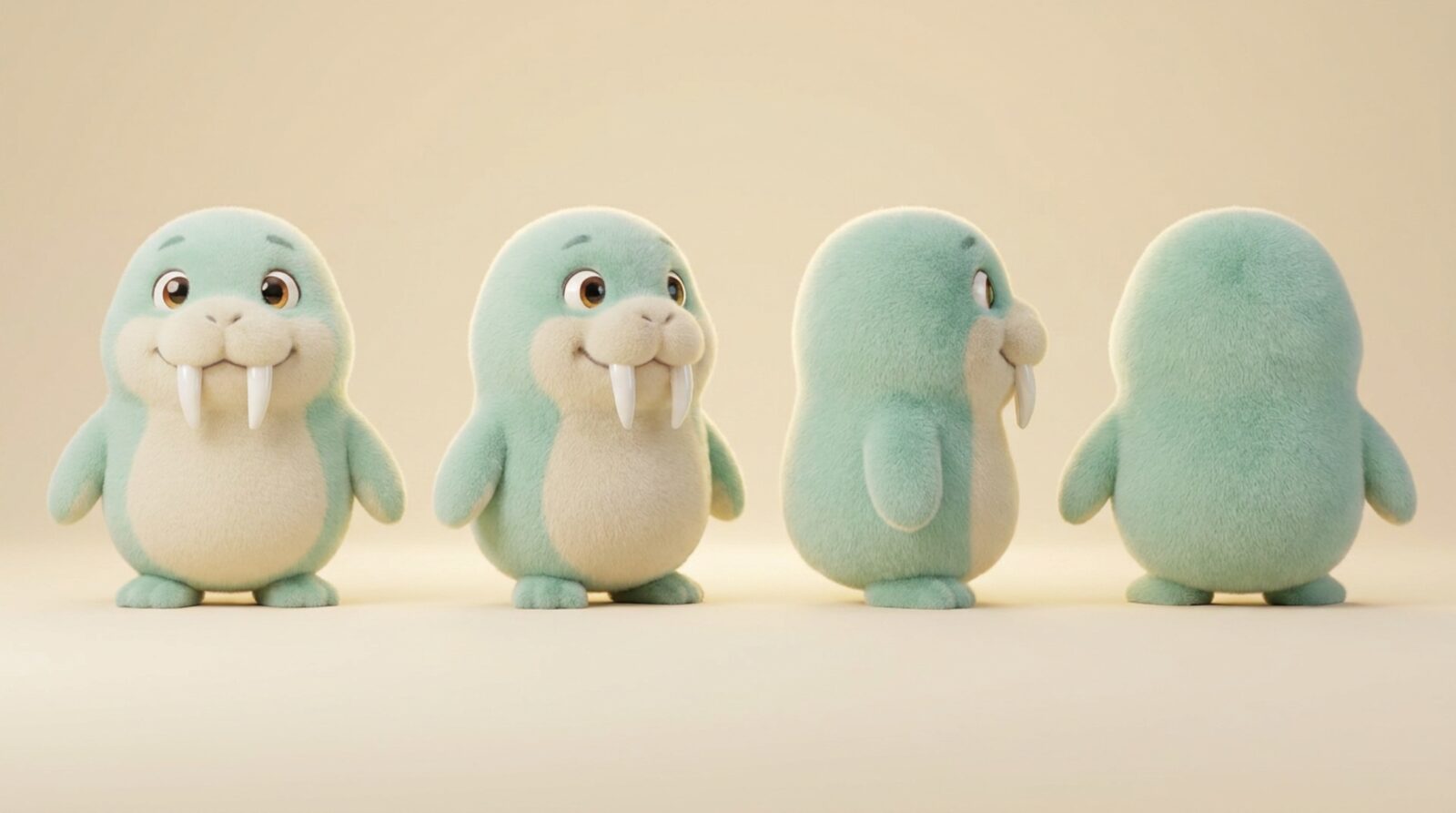
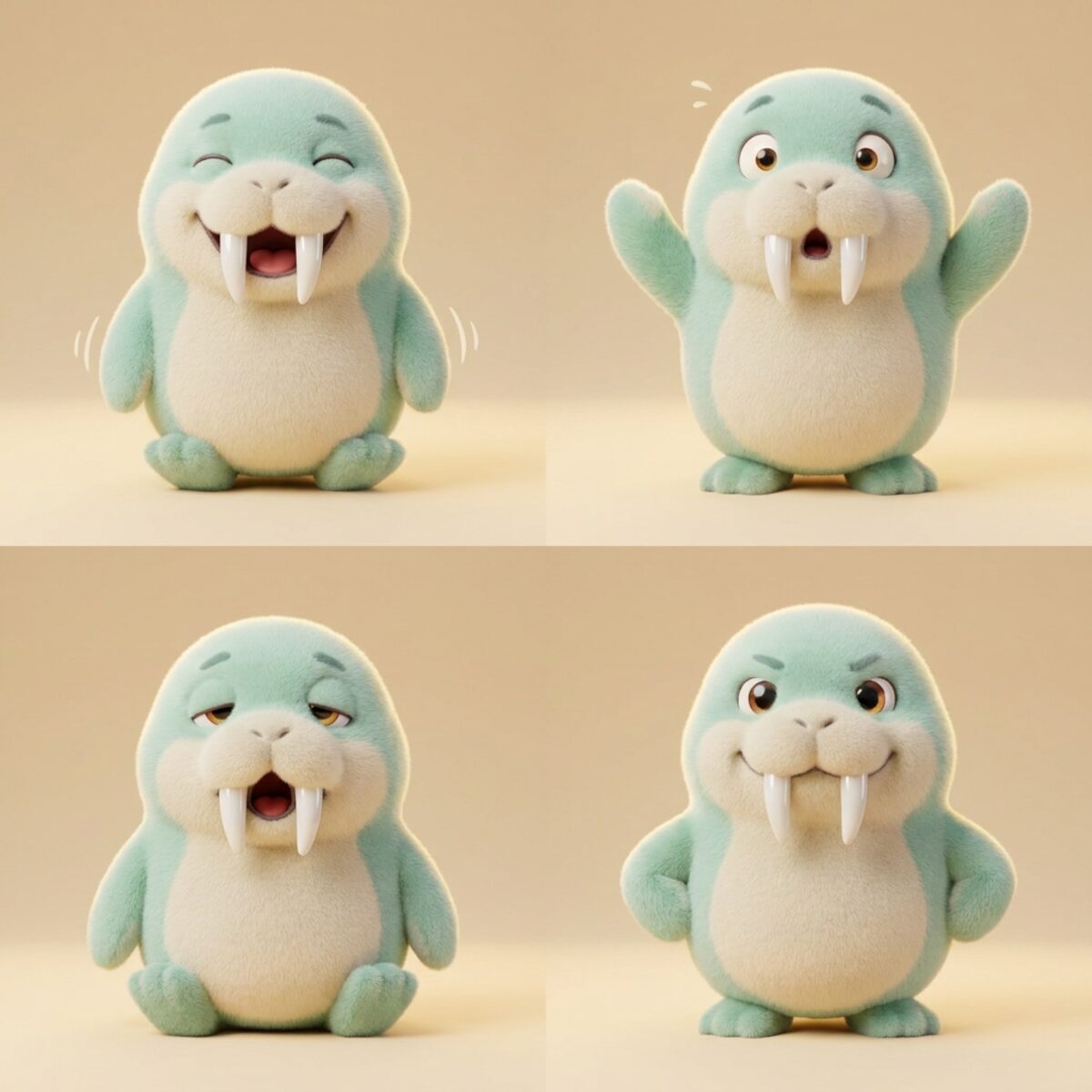
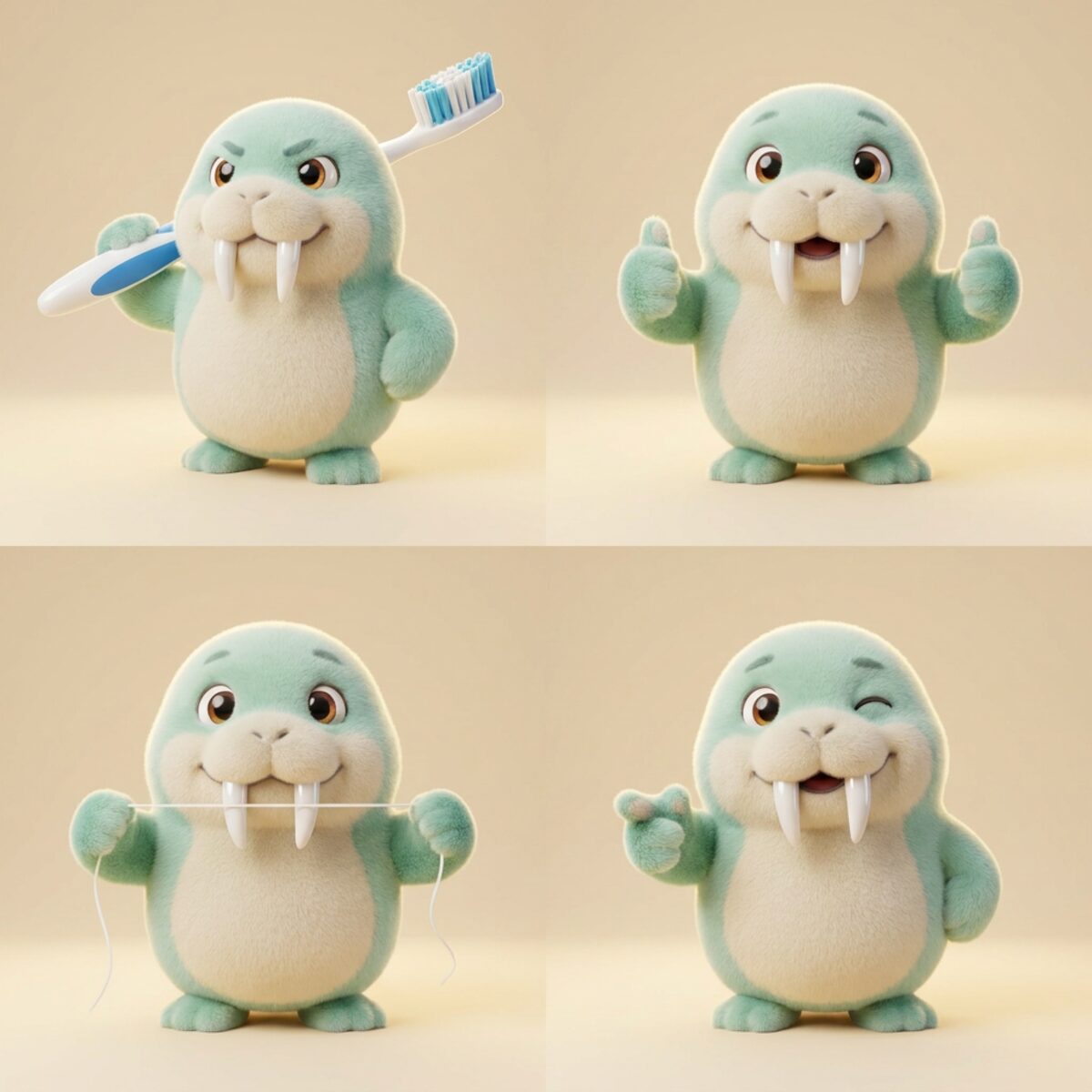
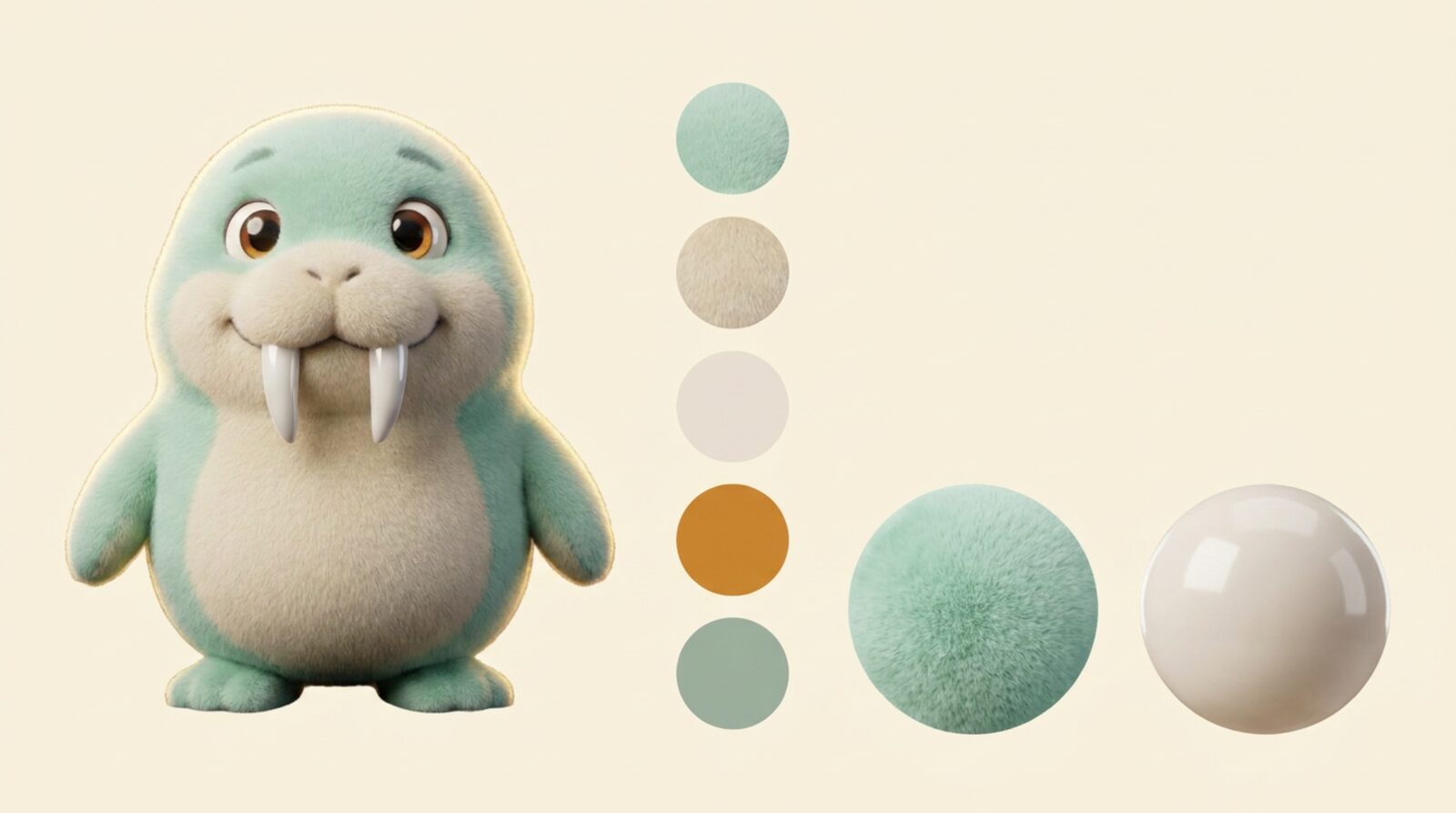
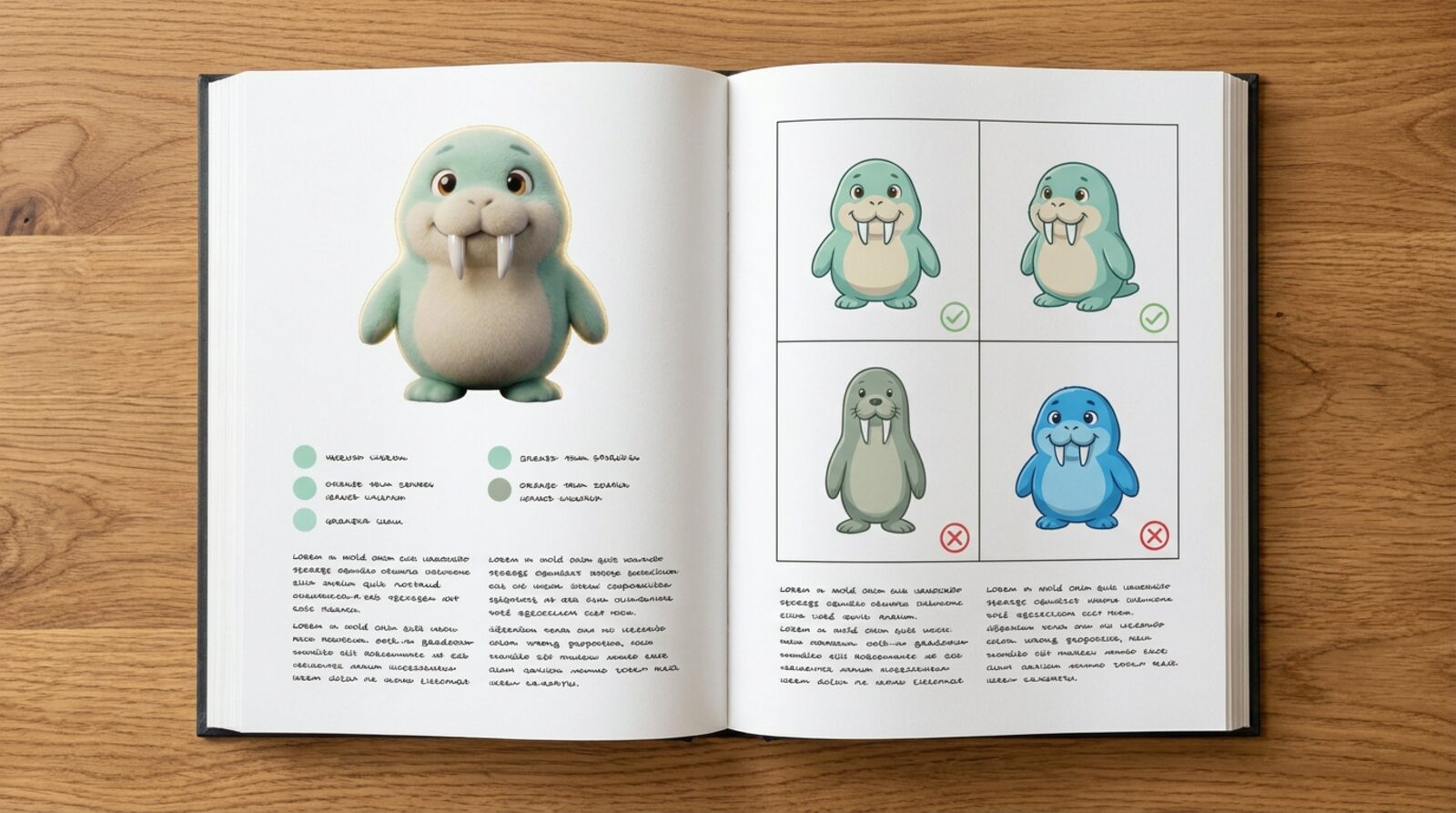
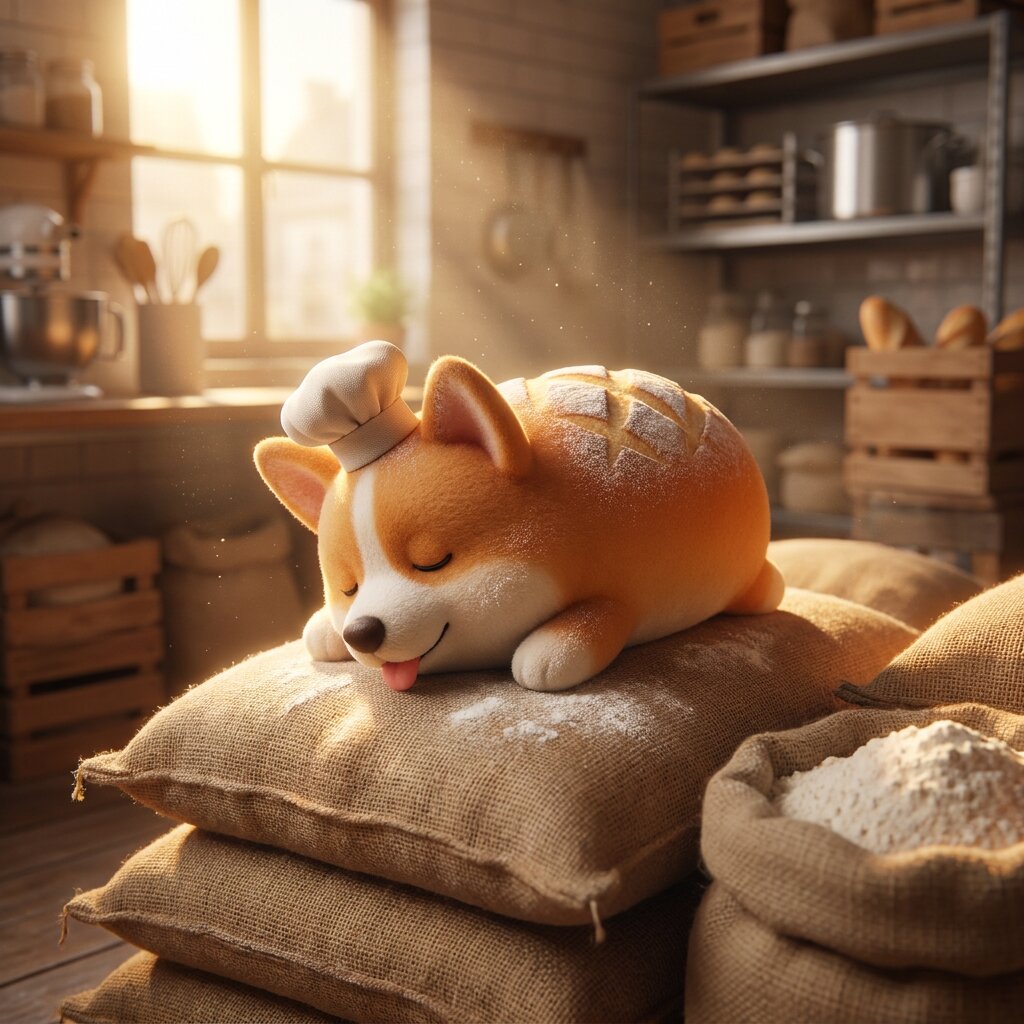
Every character ships with four locked angles, ten expressions, ten poses, color and material specs, and a character book with on-model and off-model rules. This is what makes a character a brand system instead of an illustration: any designer, printer, or AI tool downstream gets the same character back.
AI at production scale
260 stills and 100 clips, directed by hand
The library shipped with roughly 260 finished renders and 100 animation clips across 20 characters. That volume is only possible with an AI production floor, and it is only usable because every brief, selection, and rejection ran through one set of eyes. I wrote the briefs, built the reference packs, directed generation in batches, and killed everything off model. The pipeline is the proof of how I use AI: it multiplies direction, it does not replace it.
In market
From library to main street
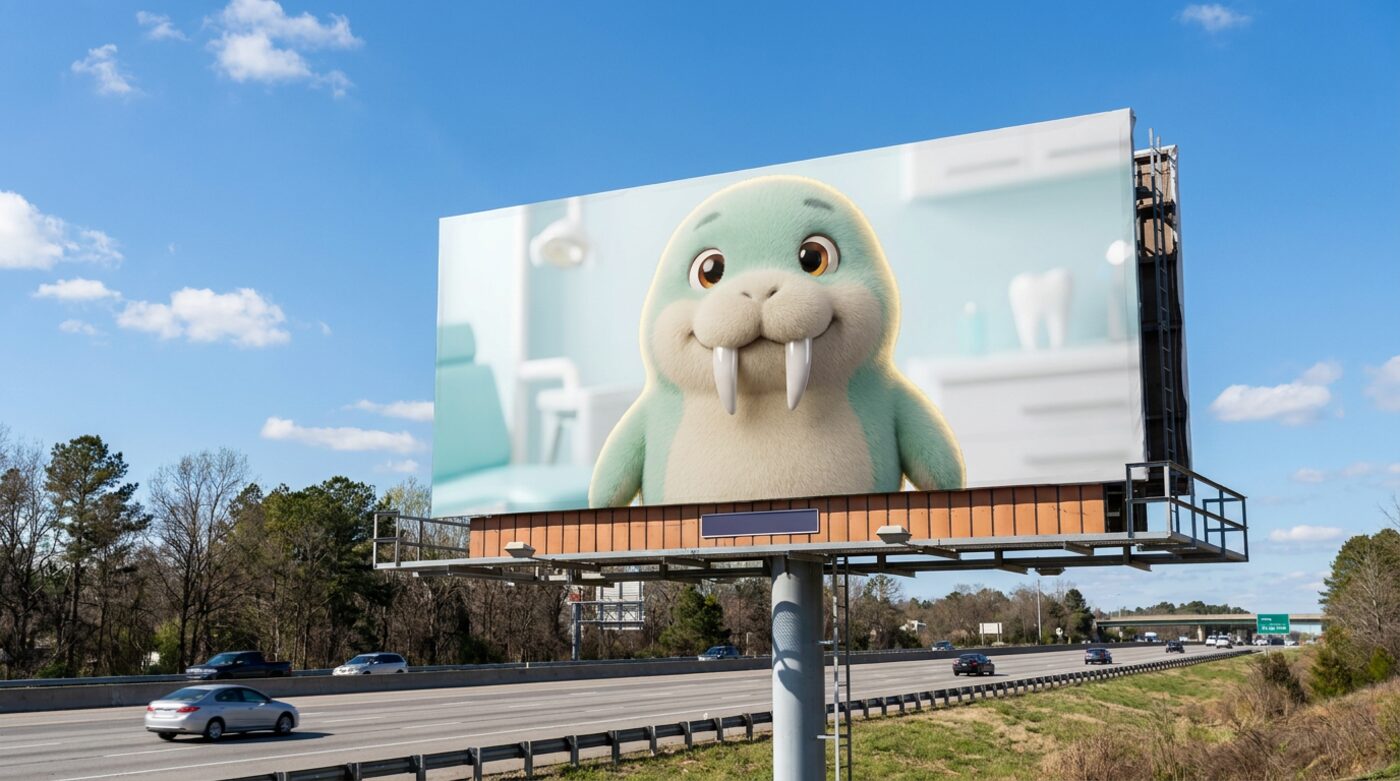
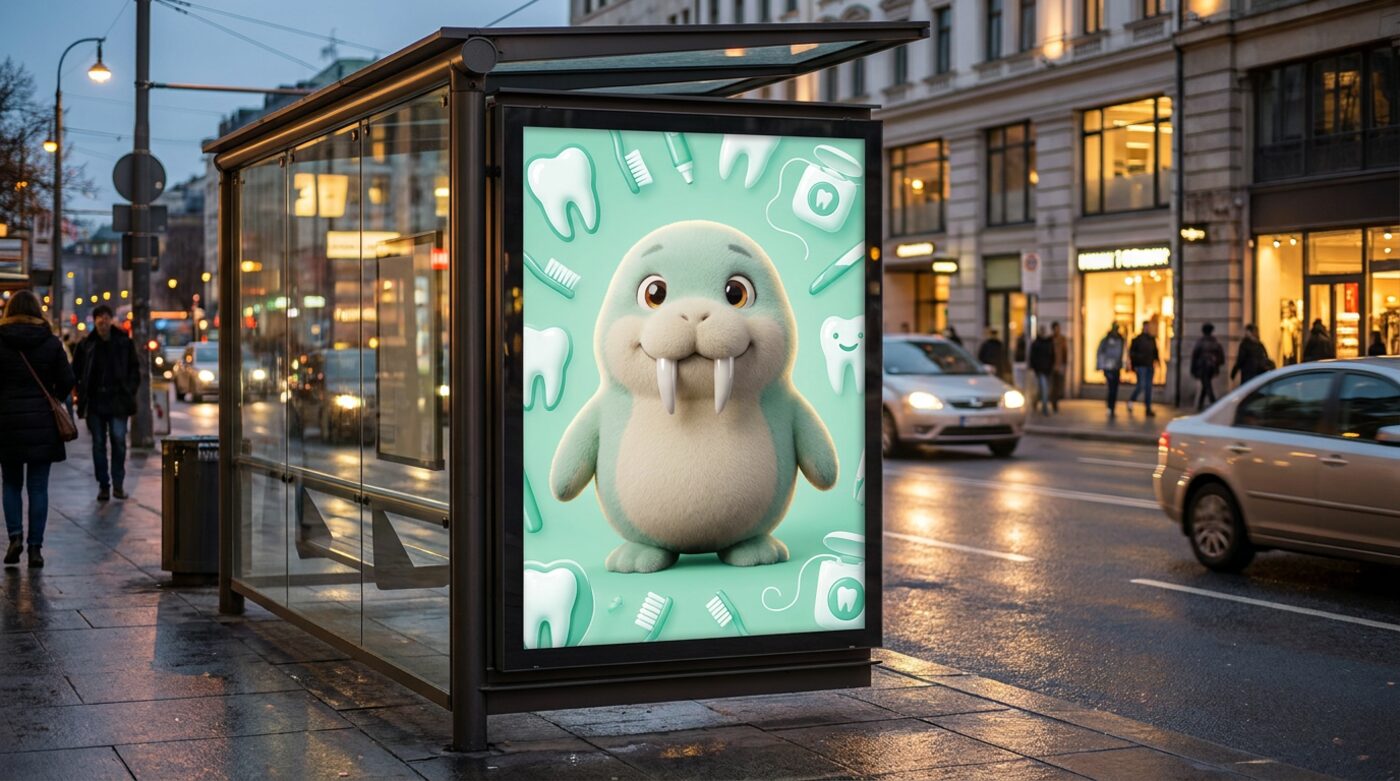
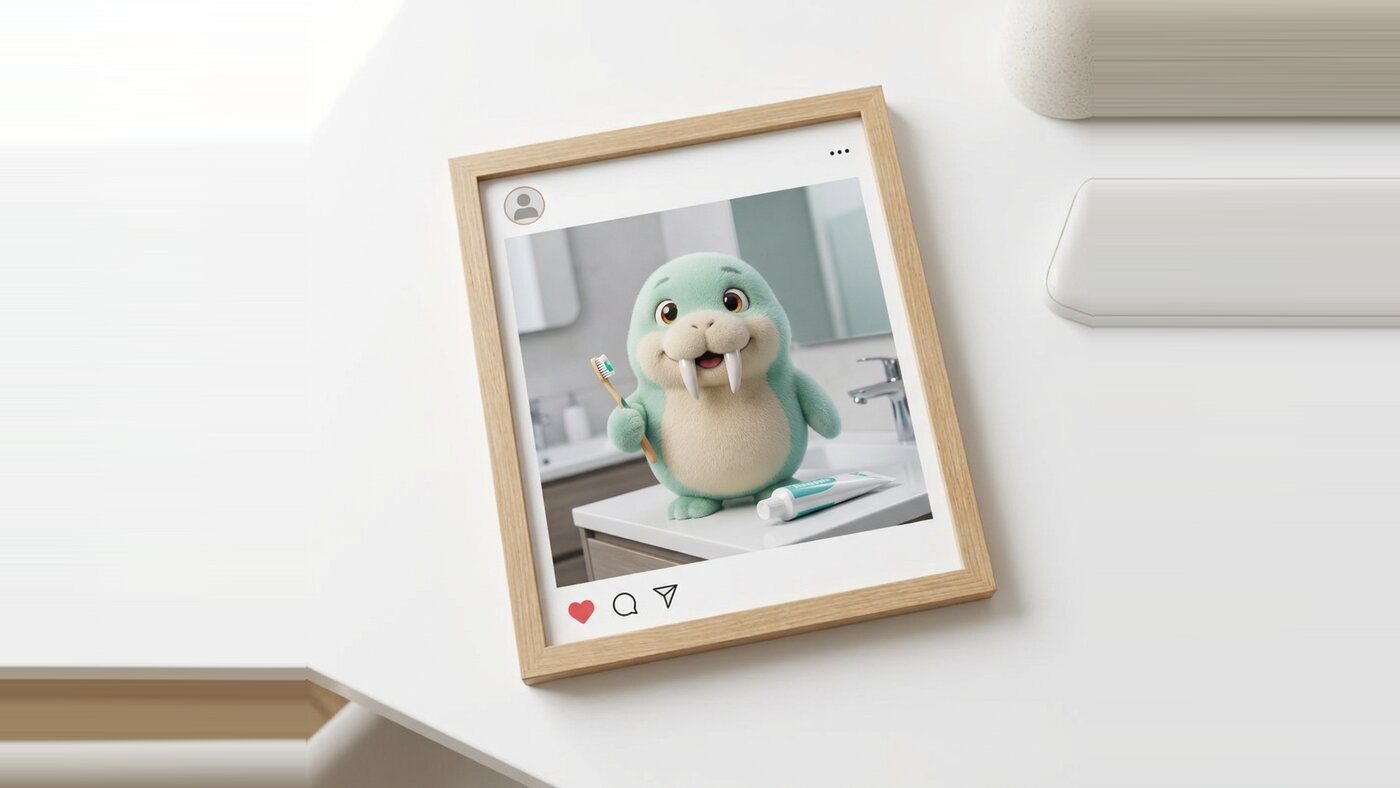
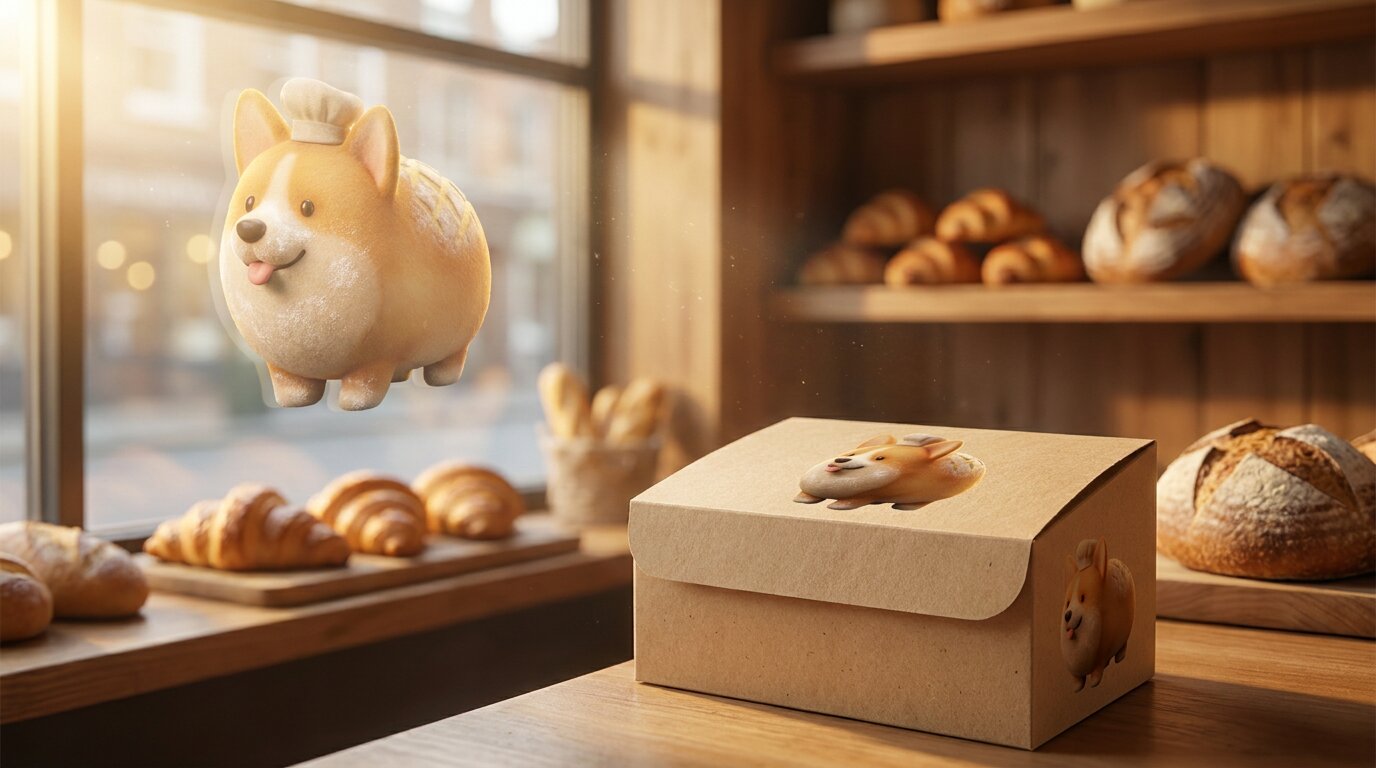
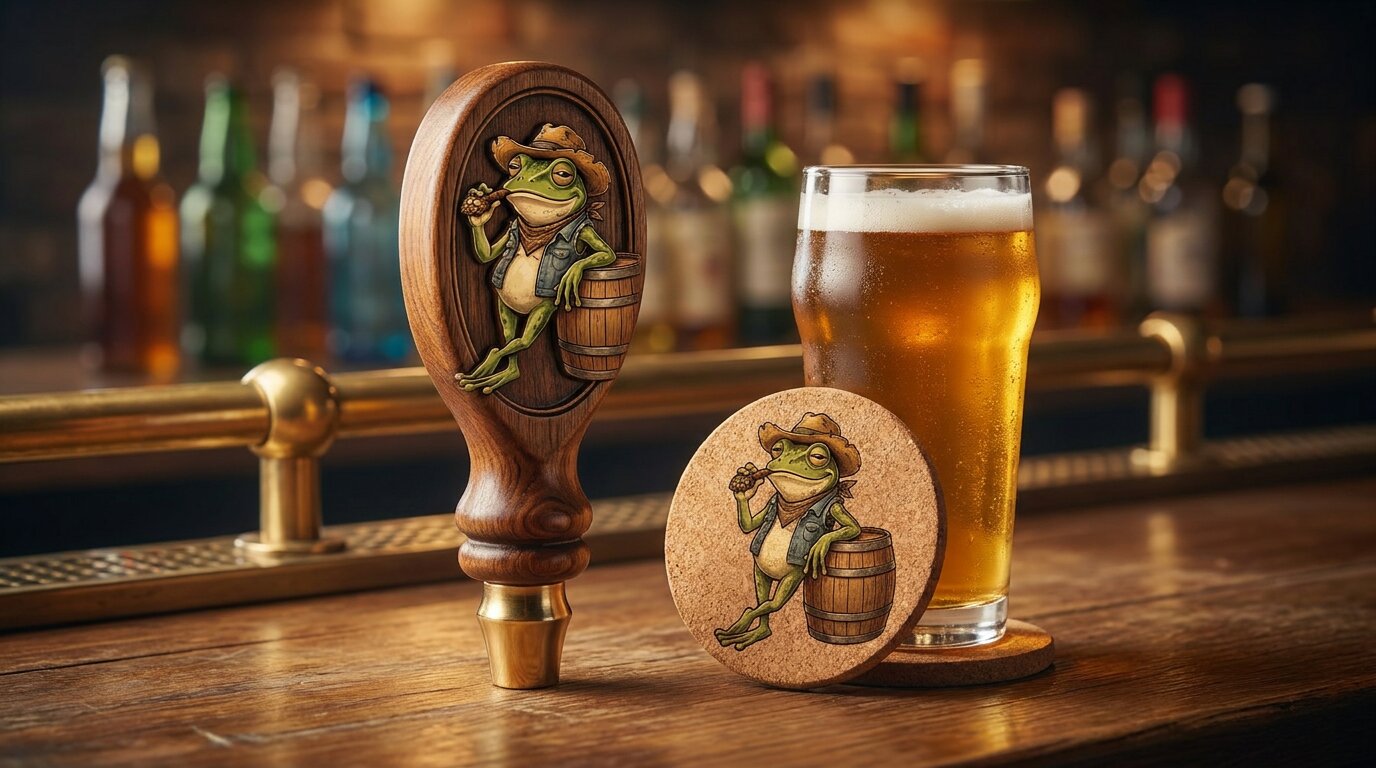
The system ends where the client's world begins: social templates, signage, out-of-home, and monthly finished content in the character's voice. The campaign mockups sell the promise in one look: your business becomes the character.
In motion
The characters move
Every character ships animated: turntables, expression and pose passes, and finished social spots cut for the client's channels.